
Dragonflight marked a turning point in how players navigate and understand outdoor zones. With the introduction of Dragonriding, Blizzard shifted from traditional horizontal map layouts toward embracing height, momentum, and layered terrain. The result is a world where players don’t simply move across space—they ascend, dive, spiral, and perch at dizzying elevations. This shift transformed how players perceive scale, interact with the environment, and discover hidden content scattered throughout the Dragon Isles.
This article dives into the design philosophies behind Dragonflight’s vertical worldbuilding, how it changed exploration habits, and the ways players now approach travel, discovery, and environmental storytelling.
The Philosophy Behind Vertical Worldbuilding
In earlier expansions, zones were designed with a primarily horizontal flow—traveling from one end to another through roads, narrow passes, or flat terrain. Dragonflight abandoned these constraints. The design team built zones with three-dimensional navigation at the center, encouraging players to treat elevation not as an obstacle but as an opportunity.
From cliffside ruins to towering peaks and cavernous valleys, every part of the Dragon Isles is crafted with the expectation that players can climb, soar, and descend at will. This fundamental shift opened new possibilities in encounter placement, point-of-interest design, and hidden secrets.
Dragonriding: The Engine of Vertical Exploration
Dragonriding is more than a movement system—it is a zone design tool. Developers crafted terrain intentionally steep, open, and fluid to make traversal feel cinematic. Momentum-based flight created new types of exploration loops: gaining altitude, banking through ridges, finding thermals, and using cliff edges to slingshot forward.
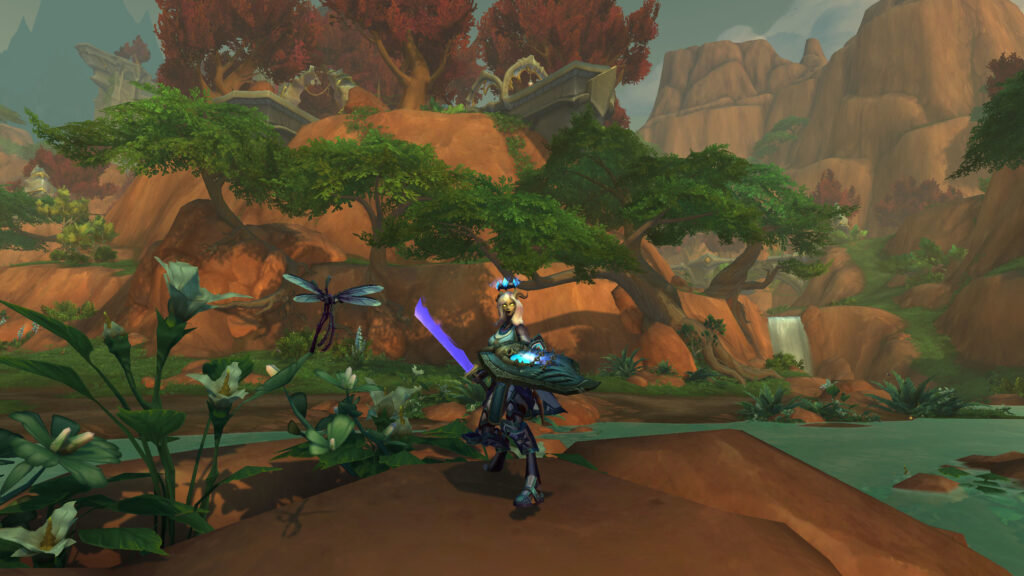
Traditional mounts encouraged linear pathing. Dragonriding encourages curiosity, experimentation, and creative route planning.
Zones Built With Upward Momentum in Mind
Each Dragonflight zone emphasizes verticality in a different way. Whether players are scaling the Titan structures of Thaldraszus or gliding through the windy canyons of the Waking Shores, elevation is a key factor in zone identity. Blizzard used vertical space to reinforce lore themes and expand player interaction with the environment.
- Waking Shores: Jagged cliffs, magma pillars, and towering black dragonflight structures.
- Ohn’ahran Plains: Broad skies with raised plateaus that reward altitude management.
- Azure Span: Frozen cliffs, deep fjords, and ancient blue dragon ruins hidden at multiple elevations.
- Thaldraszus: Some of the highest vertical structures ever placed in WoW.
These vertical signatures make each zone feel distinct and encourage players to explore from top to bottom.
Hidden Treasures in Hard-to-Reach Places
Because Dragonriding allows players to access areas that would have been unreachable with ground mounts, Blizzard filled the Dragon Isles with treasures placed intentionally out of casual sight. Small alcoves, cliff shelves, and rocky outcroppings become potential hiding places for puzzles, collectibles, and achievement objectives.
Vertical treasure placement rewards players who experiment with altitude and momentum.
| Hidden Feature | How Verticality Enhances It | Player Benefit |
|---|---|---|
| Dragon Glyphs | Placed at extreme heights or mid-air | Promotes mastery of Dragonriding |
| Nest-based Treasures | Located on cliff ledges | Exploration rewards & achievements |
| Secret Caves | Often hidden behind waterfalls or high walls | Cosmetics, toys, and lore notes |
| Environmental Puzzles | Require mid-air interactions | Unique collectibles and secrets |
These placements incentivize players to master movement and observe landscapes from new angles.
Environmental Storytelling Through Elevation
Dragonflight’s world design uses verticality not just for gameplay but also for storytelling. High vantage points showcase sweeping dragonflight territories. Elevated ruins tell stories of ancient magically elevated cities. Caverns and valleys represent conflicts carved into the land over thousands of years.
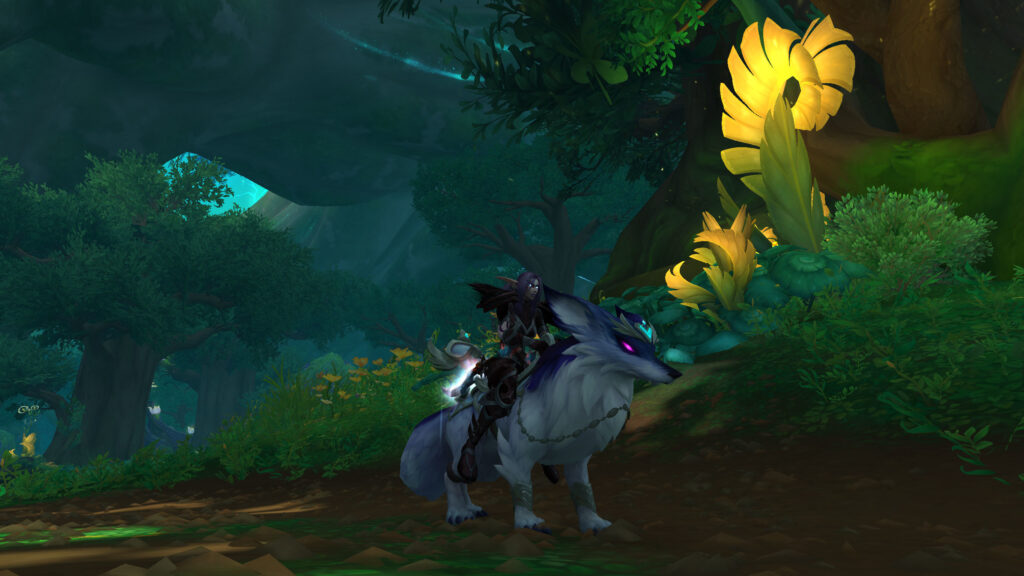
Players experience the history of the Dragon Isles simply by moving through layers of terrain. The act of rising and falling mirrors the lore of dragonflights themselves—creatures that command the skies.
Improving Player Flow and Movement Decisions
With vertical terrain comes a new type of decision-making. Players must think about slope angles, momentum generation, launch spots, and return paths. This transforms moment-to-moment movement into a reactive puzzle. Pathing becomes dynamic: instead of walking around a mountain, players launch over it. Instead of searching for a cave entrance on foot, they dive through a ceiling opening or cliff breach.
Vertical movement increases both speed and fluidity, making exploration feel less like travel and more like performance.
The Emotional High of Vertical Freedom
Soaring from one mountain peak to another evokes a visceral sense of freedom. Dragonflight’s designers leaned heavily into this emotional response. Vertical exploration connects players with the fantasy of flight in a way WoW had never achieved before. The feeling of height, wind, and gravity contributes to a deeper immersion that traditional travel could never replicate.
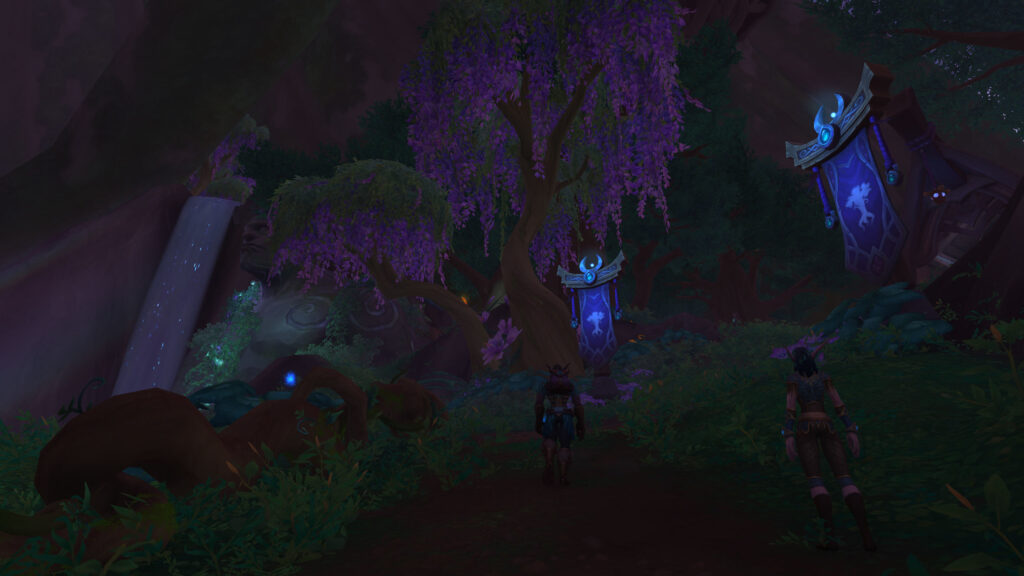
This emotional component is why many players consider Dragonriding one of the most transformative systems introduced to the game.
How Verticality Enhances Replayability
Because zones are layered vertically, they take longer to fully understand. A player who thinks they’ve seen all of the Azure Span may later discover a high cliff village, a secluded shrine, or a hidden overlook offering a unique view of the ruins below. This layered design encourages repeated visits and new exploration routines long after the leveling experience is complete.
Dragonflight’s zones feel alive not because of constant content updates, but because they reward curiosity.
Conclusion
Dragonflight transformed how players explore Azeroth by embracing vertical worldbuilding powered by Dragonriding. Height is no longer a barrier—it is an invitation. Cliff faces, valleys, spires, and ruins encourage players to experiment with momentum, take risks, and see the world from fresh angles. This shift not only enhances gameplay but also deepens environmental storytelling and emotional engagement.
By rethinking how zones are built and how players move, Dragonflight created some of the most dynamic and memorable outdoor spaces in WoW’s history—and it set a new standard for what exploration could be.