
Few games in history have had the impact of World of Warcraft. For two decades, it has not only defined the MMO genre but also influenced nearly every online game that followed. From social design to world-building, quest systems to monetization, WoW’s innovations became the blueprint for modern multiplayer experiences.
This article explores how 20 years of WoW’s evolution reshaped the gaming landscape—setting standards, inspiring competitors, and proving that an MMO could be both an enduring world and a living legacy.
The Revolution That Redefined Online Worlds
When WoW launched in 2004, it transformed online gaming. Previous MMOs like EverQuest and Ultima Online had paved the way, but Blizzard’s approach was revolutionary—simpler controls, polished visuals, and a world that felt alive and reactive. Azeroth wasn’t just a map; it was a character, filled with secrets, humor, and emotion.
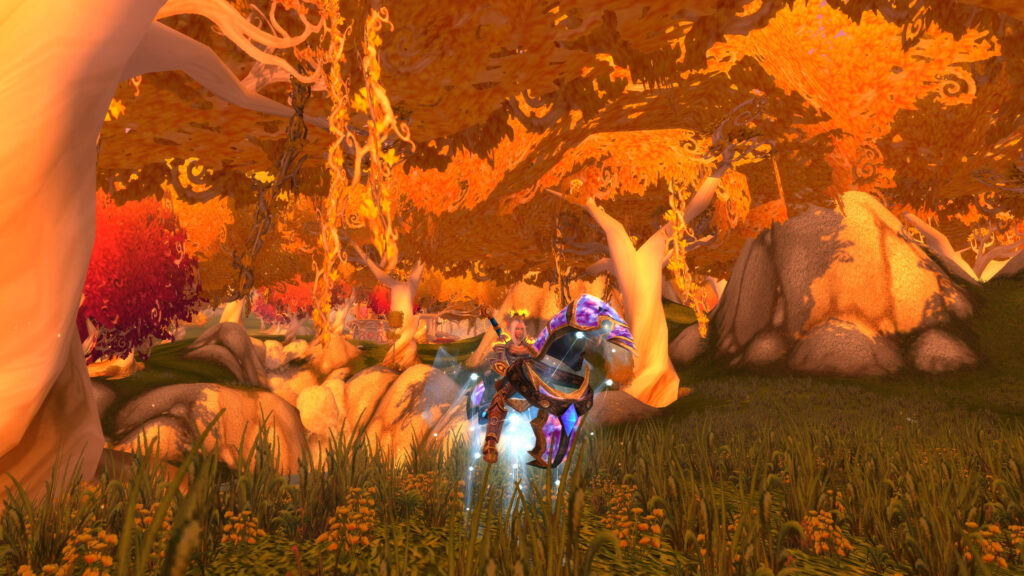
For the first time, MMOs became accessible to a mainstream audience. Players who had never experienced online gaming found themselves immersed in an endless world where adventure was always a few steps away.
Setting the Standard for Quest Design and Storytelling
Before WoW, most MMOs focused heavily on grinding and player-driven goals. Blizzard changed that by emphasizing narrative quests, cinematic cutscenes, and evolving storylines. Players weren’t just farming mobs—they were heroes shaping the fate of a world.
WoW’s quest design became the industry model. Other MMOs—from Guild Wars to Final Fantasy XIV—borrowed its formula of guided progression mixed with open exploration, proving that good storytelling could coexist with endless gameplay freedom.
The Social Fabric of Online Gaming
WoW didn’t just create a game—it built a culture. Guilds, raids, and battlegrounds introduced new forms of cooperation and competition that set the tone for future online communities. Voice chat integration, player economies, and cross-server grouping all trace their roots to WoW’s innovations.
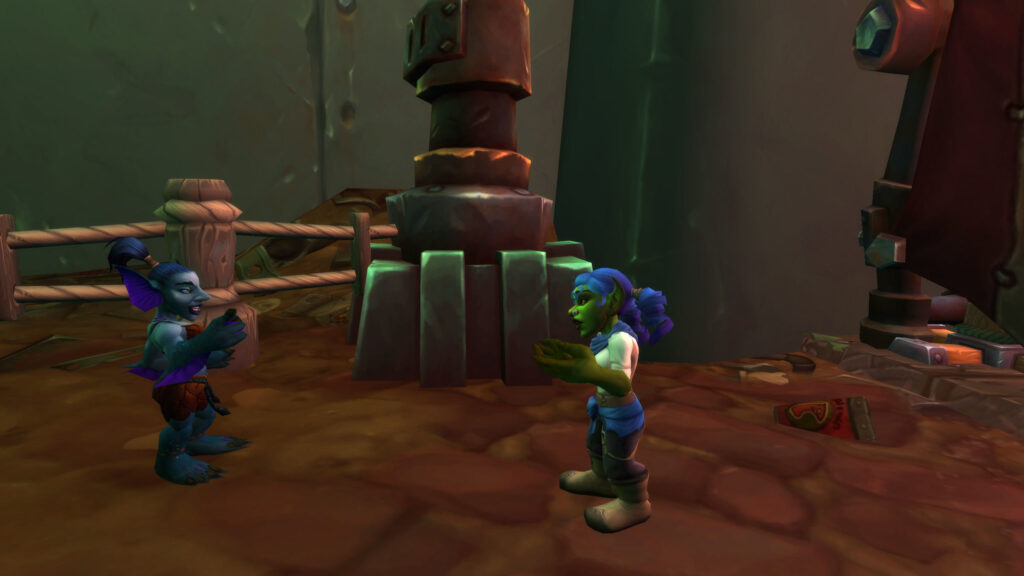
Its social systems redefined what it meant to play together. Players became part of something larger—an ecosystem of friendships, rivalries, and shared triumphs that blurred the line between virtual and real.
Technological Innovations and Industry Influence
Blizzard’s constant reinvention of WoW drove technological progress across the MMO landscape. Dynamic servers, cross-faction play, and seamless phasing systems have since become genre staples. Each expansion introduced new technical concepts that later inspired other studios to evolve their own engines.
Perhaps most notably, WoW proved that an MMO could continuously modernize without losing its identity. Its adaptability became a case study in live service game design.
| WoW Innovation | Introduced In | Industry Influence |
|---|---|---|
| Quest Hubs and Story Arcs | Classic (2004) | Adopted by nearly all MMOs |
| Dungeon Finder and Cross-Server Play | Wrath of the Lich King | Standard for multiplayer matchmaking |
| Flexible Raiding | Mists of Pandaria | Influenced group scaling in modern games |
| Mythic+ System | Legion | Inspired endless progression models |
Economy, Accessibility, and Monetization
WoW pioneered in-game economies that mirrored real-world markets. The auction house and crafting systems inspired economic systems across countless games. Even microtransaction models, battle passes, and subscription hybrids owe part of their foundation to WoW’s evolving business strategies.
Yet despite its commercial success, Blizzard maintained accessibility. Players could enjoy the game casually or competitively without mandatory purchases—a balance that kept WoW’s community loyal for decades.
Competitors and the Ripple Effect
Every MMO that came after WoW—Star Wars: The Old Republic, The Elder Scrolls Online, Guild Wars 2, and even Final Fantasy XIV—exists in its shadow. Some tried to imitate its systems; others sought to rebel against them. Yet all share DNA rooted in Blizzard’s early design principles: accessible depth, social gameplay, and narrative integration.
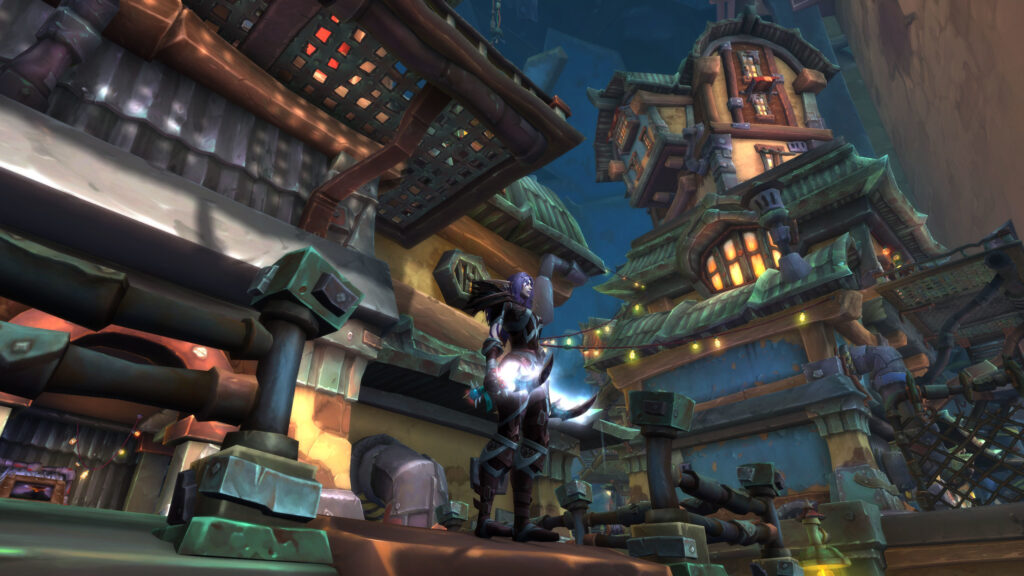
Even games outside the MMO genre, like Destiny 2 or Genshin Impact, owe part of their “live world” structure to lessons learned from WoW’s constant evolution.
The Legacy of Player Agency and Identity
Over time, WoW became more than a game—it became a personal legacy for millions. Characters represented years of stories, friendships, and achievements. Blizzard’s later systems, like account-wide progression and Warbands, were built to preserve that legacy, acknowledging how emotionally invested players had become.
This focus on continuity—allowing players to grow with their characters across decades—set WoW apart from its competitors and cemented it as the gold standard for persistent online worlds.
The Future: From Influence to Immortality
With The War Within and the beginning of the Worldsoul Saga, WoW enters its third decade not as a relic, but as a living monument. Its systems, design philosophy, and cultural impact have become so ingrained in gaming that even newcomers unknowingly experience its legacy in other titles.
Few games can claim such endurance. WoW didn’t just shape MMOs—it reshaped gaming itself, transforming how developers think about community, storytelling, and longevity.
Conclusion
After twenty years, World of Warcraft remains more than a game—it’s a cornerstone of gaming history. Its influence spans genres, generations, and design philosophies, forever altering how virtual worlds are built and lived in. Through innovation, persistence, and passion, WoW not only defined the MMO industry—it became its beating heart.
And as Azeroth continues to evolve, its legacy endures in every game that dares to dream as boldly as Blizzard once did in 2004.