
Why Khaz Algar’s Stories Matter
Khaz Algar isn’t just a set of underground zones—it’s a narrative hinge that reframes old assumptions about titans, Earthen culture, and the costs of “order.” If you blitzed through on autopilot, you likely saw only the surface: striking architecture, new allies, and a darker tone. Beneath that are hidden connections that thread back to Azeroth’s earliest ages.
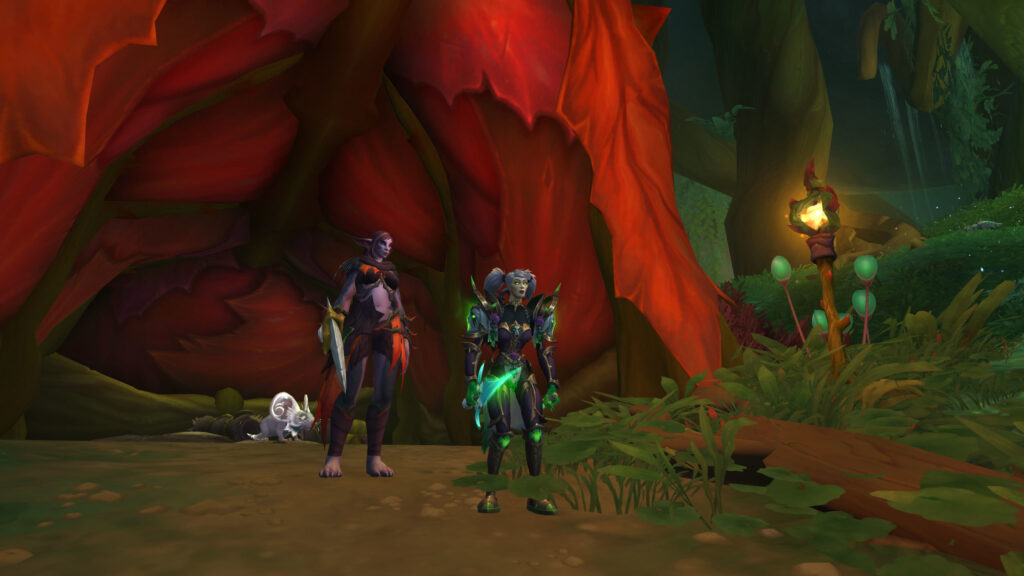
Whispers of the Titans
Throughout Khaz Algar, inscriptions and murals hint that the titan-forged weren’t as unified as legends claimed. Some records suggest internal dissent: debates about whether the Earthen should remain bound to stone or be given freer will. These clues add weight to the conflicts unfolding now, showing that “free will versus order” is a struggle with deep roots.
The Forgotten Chambers
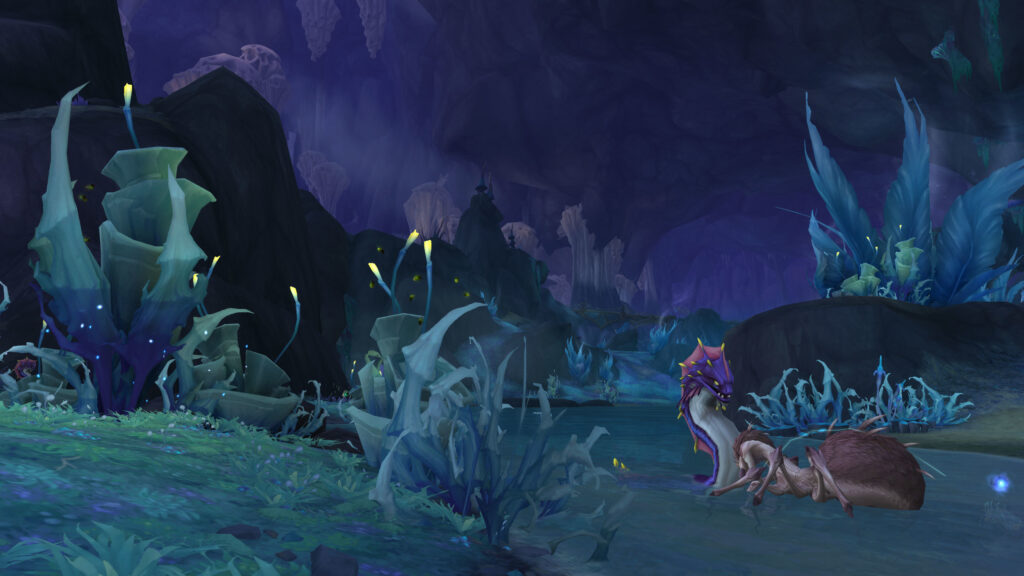
Hidden alcoves in the lower layers tell stories never highlighted in quests. One chamber depicts proto-dwarves scattering after a failed experiment, suggesting entire clans once lived and died beneath the surface. These are not just set dressing—they provide context for why Khaz Algar is both a refuge and a tomb, layered with failed experiments and abandoned dreams.
The Role of the Nerubians
Most players recognize the Nerubians for their later conflicts in Northrend, but Khaz Algar reveals their earlier symbiosis with Earthen settlers. Decorative carvings show insectoid motifs woven into titan patterns, implying a partnership that later soured. This suggests that the Nerubians’ current hostility may come from ancient betrayals rather than simple expansionist goals.
- Murals showing Earthen and Nerubians sharing tools
- Carvings of tunnels carved with both stone and chitin marks
- Lost relics mixing titan runes with insectoid designs
- Whispers hinting at shared battles against an unnamed threat
Echoes in Earthen Culture
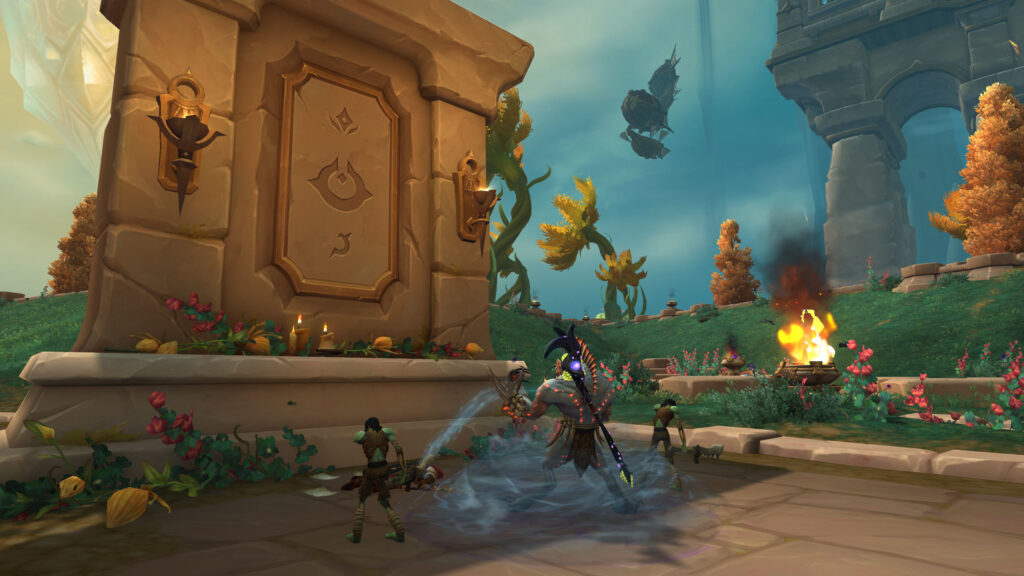
The living Earthen we meet often echo fragments of these deeper histories. Their songs, rituals, and casual phrases contain references to events the game never directly explains. By listening carefully and cross-referencing with found relics, a patient player can reconstruct an oral history that stretches much further back than surface-level quests reveal.
Clues Left in Side Quests
Several side quests that seem mundane—collecting stones, stabilizing machinery, escorting workers—actually unlock context. When paired with specific objects nearby, they hint at a broader tapestry of forgotten allegiances and broken promises. This design rewards players who don’t just chase rewards but take time to piece together fragments across zones.
Khaz Algar’s Place in the Bigger Story
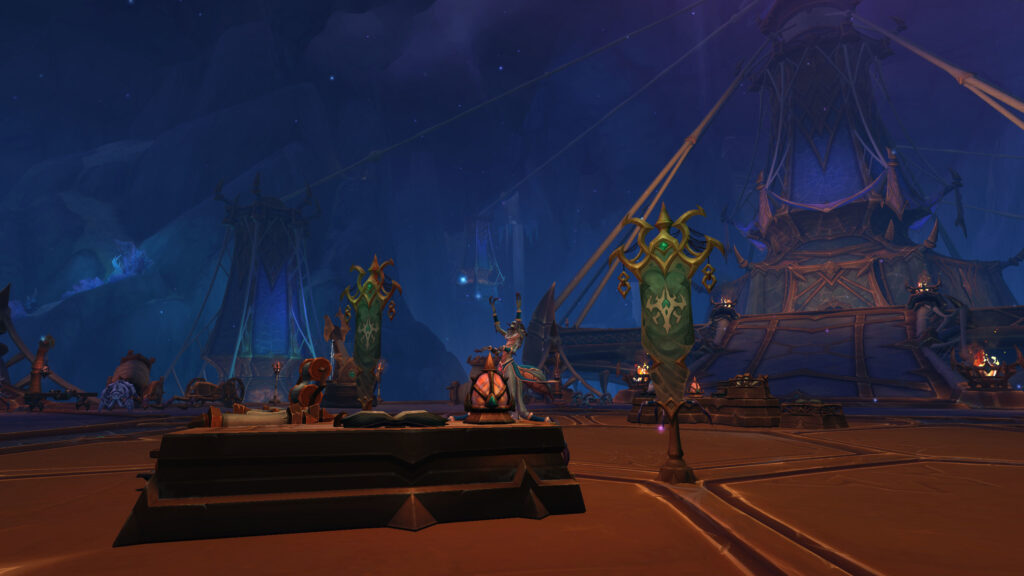
Ultimately, these hidden details reinforce the expansion’s central theme: what does it mean to be free, and what price does order demand? By revisiting overlooked alcoves, piecing together murals, and listening closely to NPC dialogue, players uncover a story of struggle that makes the current conflict more poignant. What feels like a new crisis is, in fact, the echo of an ancient debate resurfacing.
Conclusion
Khaz Algar holds more than dungeons and loot; it’s a living archive of the game’s oldest struggles. By paying attention to carvings, forgotten chambers, and quiet NPC lines, players can grasp the full weight of what’s at stake. The expansion’s narrative is richer when you see these secrets not as trivia, but as a foundation for the battles still to come.
Home