
Leading a raid in World of Warcraft is both an art and a science, requiring a blend of strategic planning, effective communication, and deep knowledge of game mechanics. As players venture into iconic dungeons like Molten Core, the role of a raid leader becomes crucial in ensuring success. The complexities of encounters, mechanics, and the diverse classes and roles within the raid group necessitate a well-thought-out approach. This guide aims to equip aspiring raid leaders with the skills and insights needed to guide their guilds to triumph, not just in Molten Core but in all future raids.
Understanding Raid Composition and Roles
One of the foundational elements of successful raiding is understanding the optimal composition of your raid group. A balanced setup typically includes a mix of tanks, healers, and damage dealers (DPS), with each role fulfilling a critical function during encounters. Tanks absorb damage and control enemy aggro, healers provide sustainability, and DPS maximize damage output. For Molten Core, a common composition might include three tanks, five to six healers, and the rest as DPS. Below is a breakdown of the essential roles:
| Role | Number | Main Functions |
|---|---|---|
| Tank | 3 | Taking damage, controlling boss aggro |
| Healer | 5-6 | Healing, mana management |
| DPS | 6-7 | Maximizing damage, target switching |
Communication is Key
Effective communication is paramount in a raid environment. As a raid leader, you must ensure that all members understand their roles, responsibilities, and the mechanics of each fight. Utilizing voice chat platforms, like Discord, can enhance real-time communication, allowing for quick adjustments during encounters. Additionally, pre-raid meetings to discuss strategies and roles can significantly reduce confusion. During the raid, clear callouts for abilities, positioning, and movement are essential to prevent wipes caused by miscommunication. Consider using concise phrases to convey complex strategies succinctly.
Encounter Mechanics and Strategy Development
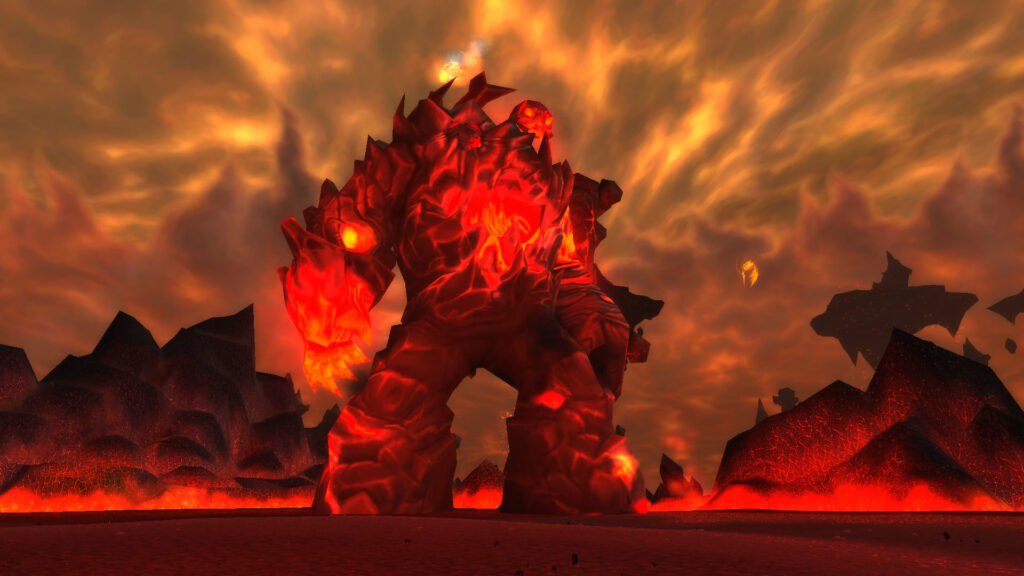
Each boss encounter in Molten Core comes with its unique set of mechanics that require specific strategies to overcome. The ability to adapt and modify your approach based on the raid’s performance is crucial. For instance, when facing Ragnaros, the raid must manage adds and position effectively to avoid environmental hazards. Developing a strategy involves breaking down the fight into phases, identifying key mechanics, and assigning roles for each part. Utilizing tools like encounter guides and boss mod add-ons can help in tracking cooldowns and mechanics during the fight. Always be prepared to adjust tactics based on real-time observations.
Post-Raid Analysis and Improvement
After each raid, conducting a post-mortem analysis is vital for continuous improvement. This involves reviewing logs, discussing what went right and what went wrong, and identifying areas for growth. Parsing tools can provide insights into damage dealt, healing done, and overall performance metrics, helping to pinpoint the strengths and weaknesses of your group. Encourage open feedback from raid members and use this information to refine strategies and compositions for future raids. This iterative process of evaluation and adaptation is essential for developing a high-performing raid team.
Building a Positive Raid Environment
A positive and inclusive raid environment fosters teamwork and camaraderie, which is essential for success in high-pressure situations. As a raid leader, it’s important to motivate your team, celebrate successes, and learn from failures together. Establishing a culture of respect and support can lead to better performance and retention of players. Consider implementing regular team-building activities outside of raids, such as casual runs or social events. This not only strengthens bonds but also enhances synergy during actual raid encounters. Remember, a happy guild is a successful guild.