
Introduction: The Foundation of Warcraft Lore
World of Warcraft, as we know it today, is built upon the rich foundation of the Warcraft series of real-time strategy (RTS) games. These earlier games laid the groundwork for the expansive lore that has shaped Azeroth and its many characters. However, as the series transitioned from RTS to MMORPG, the lore of Warcraft underwent significant changes. In this article, we’ll explore how Warcraft’s story evolved after the RTS games, and how the MMORPG format allowed for deeper world-building and more complex narratives.

1. From a Focus on Factions to a Global Narrative
In the RTS games, the focus was primarily on faction-based warfare, with players taking control of the Alliance, Horde, or other races, each with their own specific goals. The narrative was often centered around large-scale battles between these factions, with clear-cut objectives and the overarching struggle between good and evil. When World of Warcraft launched as an MMORPG, the story expanded beyond simple factional conflict to include complex personal stories, character arcs, and a deeper exploration of Azeroth’s history.
How the Transition Shaped the Story
- Character Development – Characters such as Jaina Proudmoore, Thrall, and Sylvanas Windrunner evolved from strategic pieces in the RTS games to full-fledged, multi-dimensional characters in WoW.
- Broader Themes – The shift to an MMORPG allowed for the exploration of themes like redemption, sacrifice, and the consequences of war in a more nuanced and personal way.
2. The Expansion of the Lore Beyond the RTS Games
The RTS games, while introducing many iconic characters and factions, didn’t delve too deeply into the histories and cultures of the races in Azeroth. World of Warcraft, on the other hand, provided a platform for expanding upon the rich backstories of various groups, such as the Night Elves, Draenei, and Blood Elves. These additions were crucial in creating a more immersive and diverse world for players to explore.
How WoW Expanded Warcraft Lore
- New Races and Factions – The introduction of new factions like the Draenei, and the deepening of existing races like the Night Elves, gave players a broader understanding of Azeroth’s history and conflicts.
- Complex Histories – WoW added layers of complexity to the stories of races like the Forsaken, the Blood Elves, and the Worgen, fleshing out their histories, motivations, and struggles.
3. Shifting from Faction War to Personal Conflict
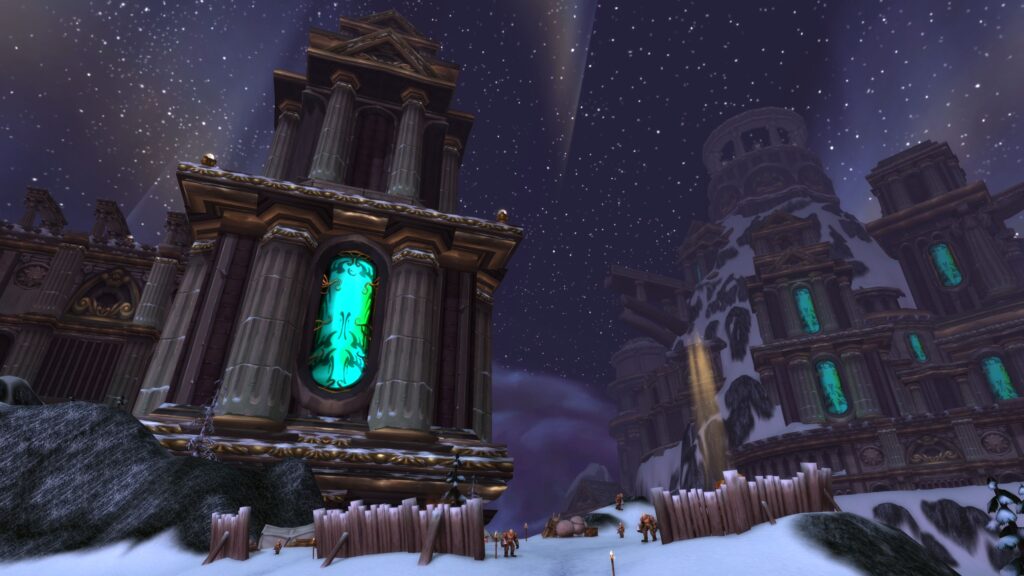
While the RTS games often centered on large-scale faction wars, the MMORPG format allowed for more personal, intimate storytelling. Rather than simply fighting for control of territory, World of Warcraft’s storylines began to explore internal conflicts within factions, the motivations of individual characters, and the personal stakes of the players themselves. This shift gave the lore more emotional depth and relevance to players, who were now part of the story as heroes (or villains) shaping Azeroth’s future.
Personalizing the Story
- Hero’s Journey – Players became central to the story, with their actions having real consequences on the world around them.
- Internal Faction Conflicts – The storylines within the factions, such as the rise of Sylvanas’s power or Thrall’s leadership struggles, added more layers of intrigue and personal drama to the overarching conflict.
4. Expanding the Pantheon of Gods and Cosmic Forces
In the RTS games, the focus was largely on mortal factions and their leaders, with occasional appearances from powerful beings like the Titans. However, World of Warcraft significantly expanded the pantheon of deities and cosmic forces. From the Titans and Old Gods to the Naaru and the Void Lords, the MMORPG provided a stage for exploring Azeroth’s broader cosmic struggles and the entities that shape its fate. This opened up new dimensions for storytelling, including the nature of creation, the conflict between Light and Shadow, and the fate of the universe itself.
How WoW Took the Cosmos Further
- The Titans and the Old Gods – The exploration of the Titans’ creation of Azeroth and their war with the Old Gods became central to WoW’s lore, adding a cosmic layer to the game’s history.
- The Burning Legion’s True Purpose – The Burning Legion’s role as agents of cosmic destruction was revealed, making their influence in the world far more sinister and far-reaching than originally portrayed.
5. The Role of the Scourge: From RTS Villain to MMORPG Threat
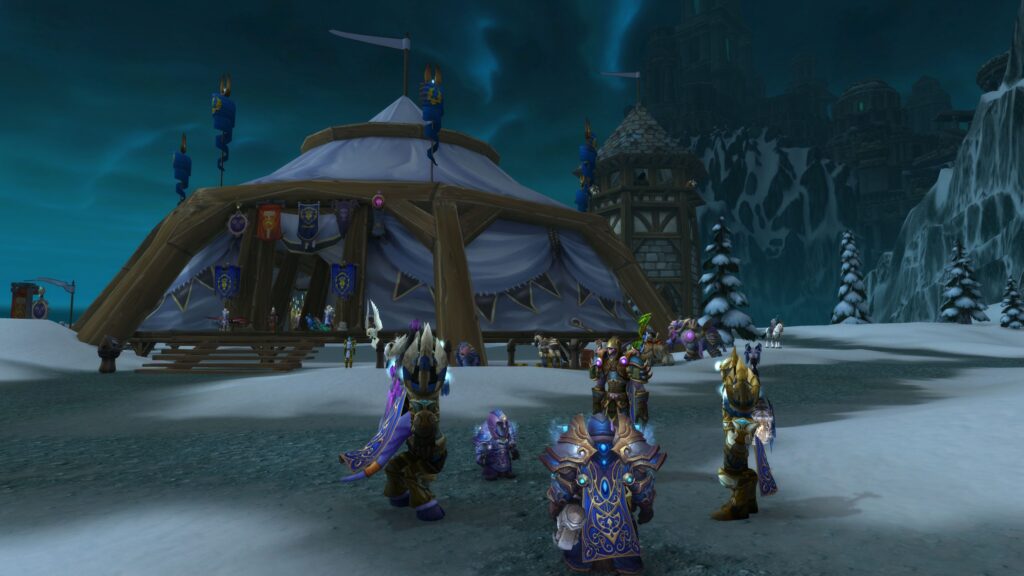
In the RTS games, the Scourge was largely portrayed as a powerful army of the undead, serving as a factional threat that players had to combat. However, when WoW introduced the Lich King and expanded the story of the Scourge, it turned what was once a mere villainous army into a deep and tragic storyline. The fall of Arthas Menethil and his transformation into the Lich King became one of WoW’s most memorable arcs, showing how the Scourge was no longer just a force to be defeated, but a symbol of loss, corruption, and tragedy.
How the Scourge’s Role Evolved
- The Lich King’s Tragedy – The Scourge’s leadership under the Lich King added emotional weight to their story, turning them from a faceless threat into a tragic reflection of Arthas’s own fall.
- The Undead’s Struggle – The Forsaken, led by Sylvanas, introduced a new faction of undead that played a central role in exploring themes of freedom, betrayal, and identity.
Conclusion: A Shifting Narrative
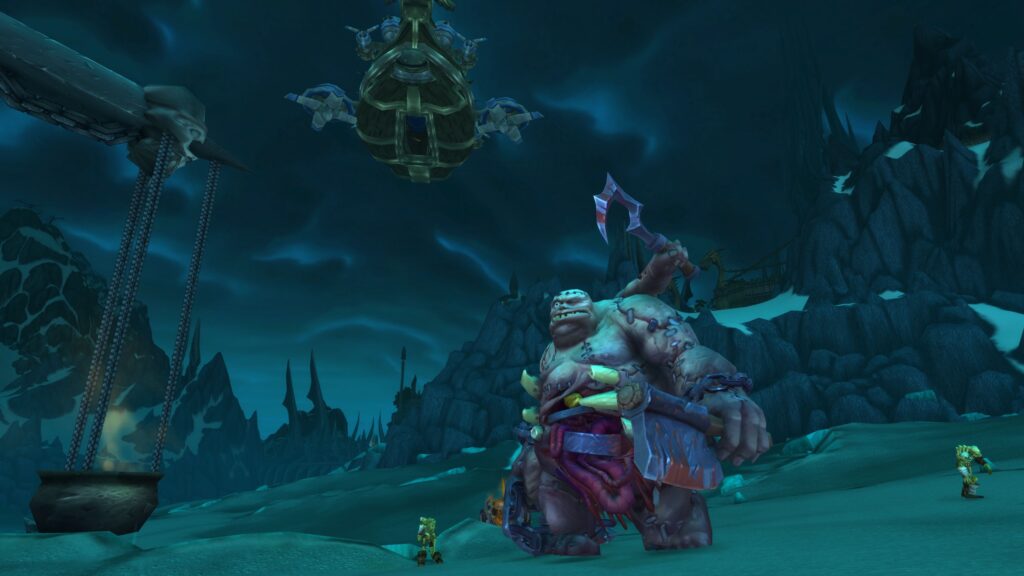
The transition from the RTS games to World of Warcraft brought significant changes to the Warcraft lore. The MMORPG format allowed for more personal, complex stories and deeper world-building, giving players a more immersive experience. As WoW’s lore continued to evolve, it expanded beyond the initial conflicts of the RTS games to include cosmic struggles, moral dilemmas, and personal tragedies that resonated with players on a deeper level. The shift in storytelling from RTS to MMORPG not only changed the format of the story but also the way players interacted with the world of Azeroth, making them active participants in its ongoing narrative.
Home